
Project
Project
387 Blavatnik School of Government
387
Oxford, UK
Our office culture is one of constant learning and exchange, and this is reflected in how we approach our projects. We view the topic of education broadly, and regardless of typology, seek to find out how a building can be used to educate in some way. From our first university masterplan competition in 1990 to present day, Herzog & de Meuron have designed over 70 projects related to education – schools, university buildings, research institutes and hospitals, dormitories, libraries, arts programs, museums.
Educational buildings are places for exchange between students and faculty, the institution and the city around it, and between the various cultures and communities that share it. Each project is specific to its context, and all aim to create new connections by balancing the inner life of the institution with the outer life beyond its site. Due to its location at the edge of the Oxford campus, the Blavatnik School of Government acts as a gateway and a symbol of the university, offers several public programs on the ground floor, and represents the School of Government’s central tenets of openness, communication and transparency.
Throughout the design process, we work closely with our clients and leadership while engaging students and alumni, various user groups and other stakeholders as required to ensure that all needs are met. Both the individual and the collective are addressed: the quiet routine of the everyday must coexist with large scale activities of the institution. Beyond classrooms, lecture halls and auditoriums, forum and breakout spaces are essential for gatherings both planned and spontaneous. The Student Center and Dining Commons at Amherst College is designed with a wide variety of spaces including large, open lounges and event rooms, meeting suites for affinity groups, game and performance spaces, fitness areas, and an interfaith gathering room. Emotional and psychological wellbeing is crucial for faculty, students and staff, and a mix of both open and sheltered areas helps to address diverse needs.
Designing flexible solutions helps to ensure that the buildings continue to be used well into the future. The Royal College of Art campus in Battersea, London, is built to suite the constantly changing programs of teaching and research at this 185-year-old institution. The studio floors provide a series of three terraced floorplates with a flexible infrastructure that can easily adapt to a range of needs. In addition to the essential qualities of natural light and air supplying the indoor studios, the concrete floorplates extend to form cantilevering external galleries, providing shade and natural ventilation, and an immediate connection to the outdoors for those working within.
Our education projects are also places where teachers, students and researchers strive for excellence. Knowledge can be made more accessible, inclusive, and culturally engaging, balancing academic missions with community participation and knowledge sharing. The vision for Forum UZH is meant to create a lively exchange between science and society. With inviting public terraces and a lush, green public square, the project aims to strengthen the University of Zurich’s integration within the city, while the education and research center and central ‘forum’ allow the city to further engage with the university.


Project
Project
Zurich, Switzerland


Project
Project
London, UK


Project
Project
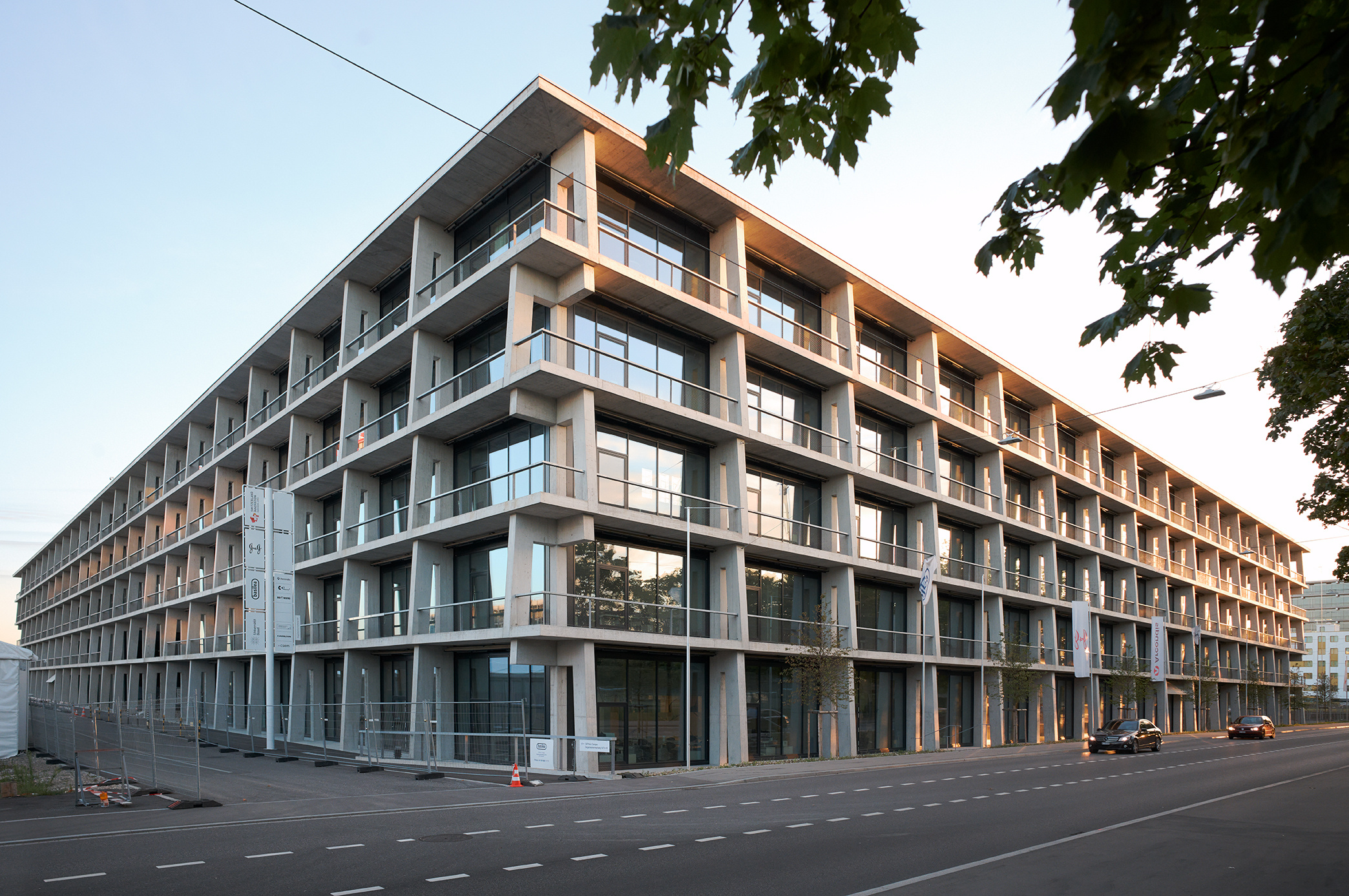
Allschwil, Switzerland
Project
Project
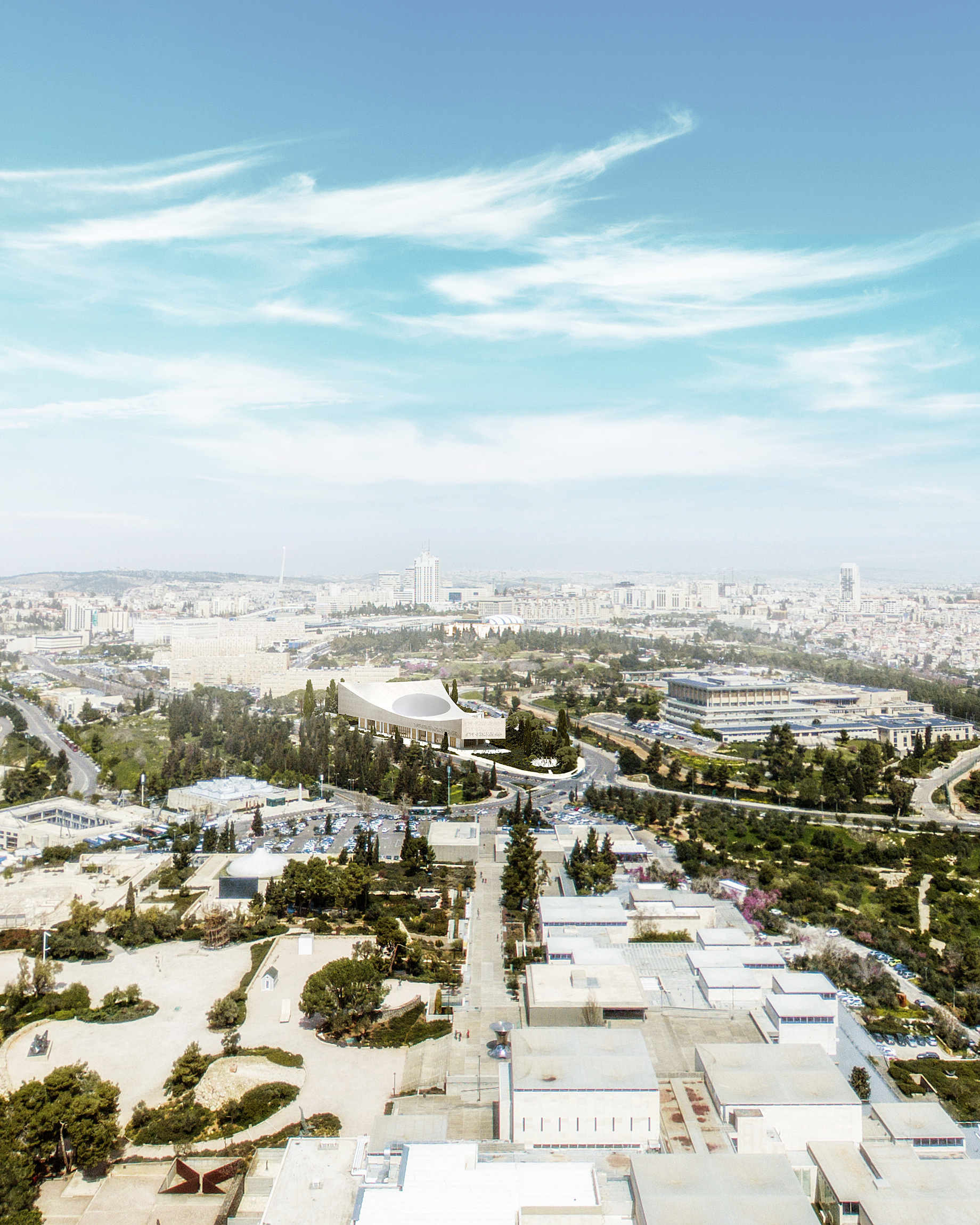
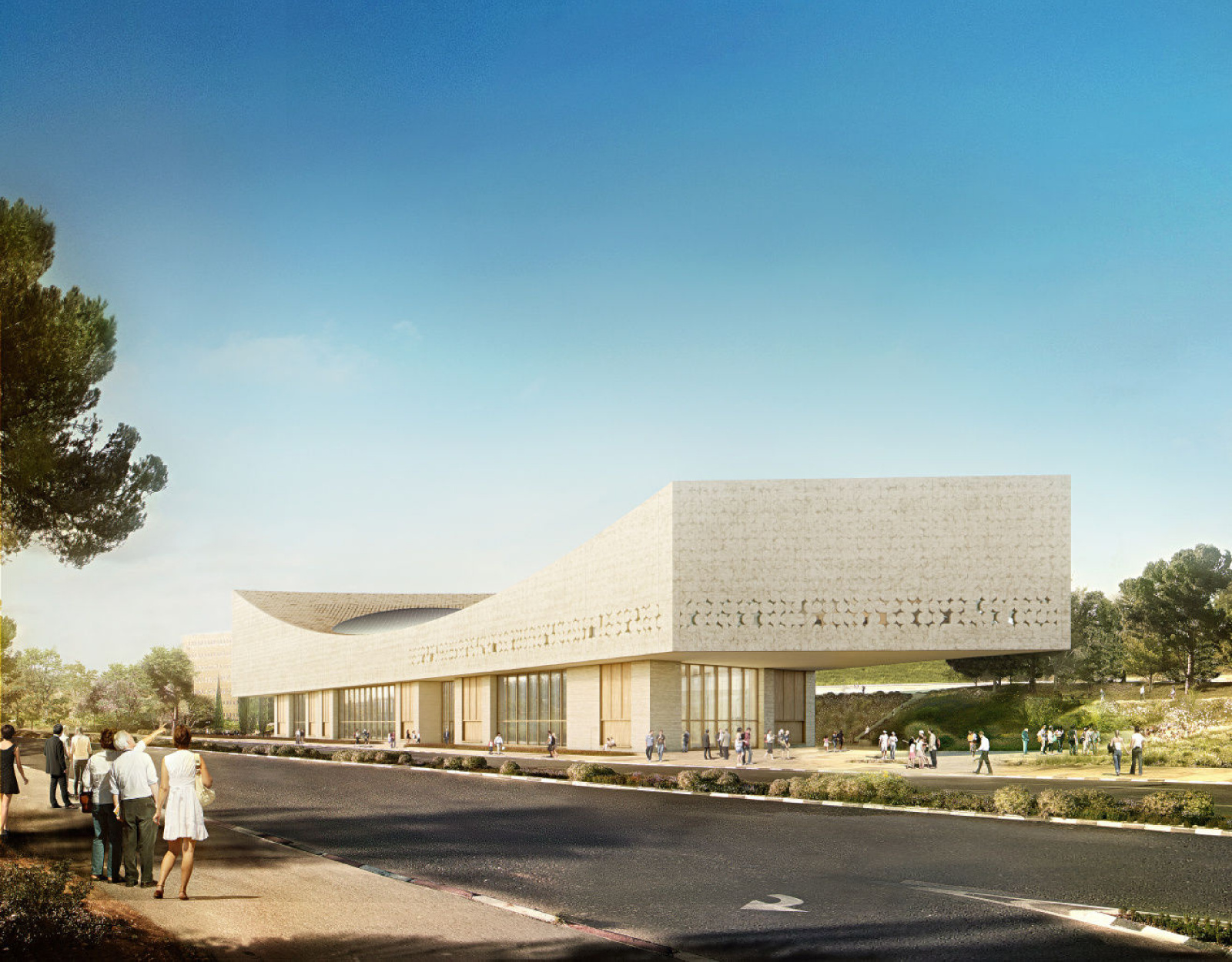
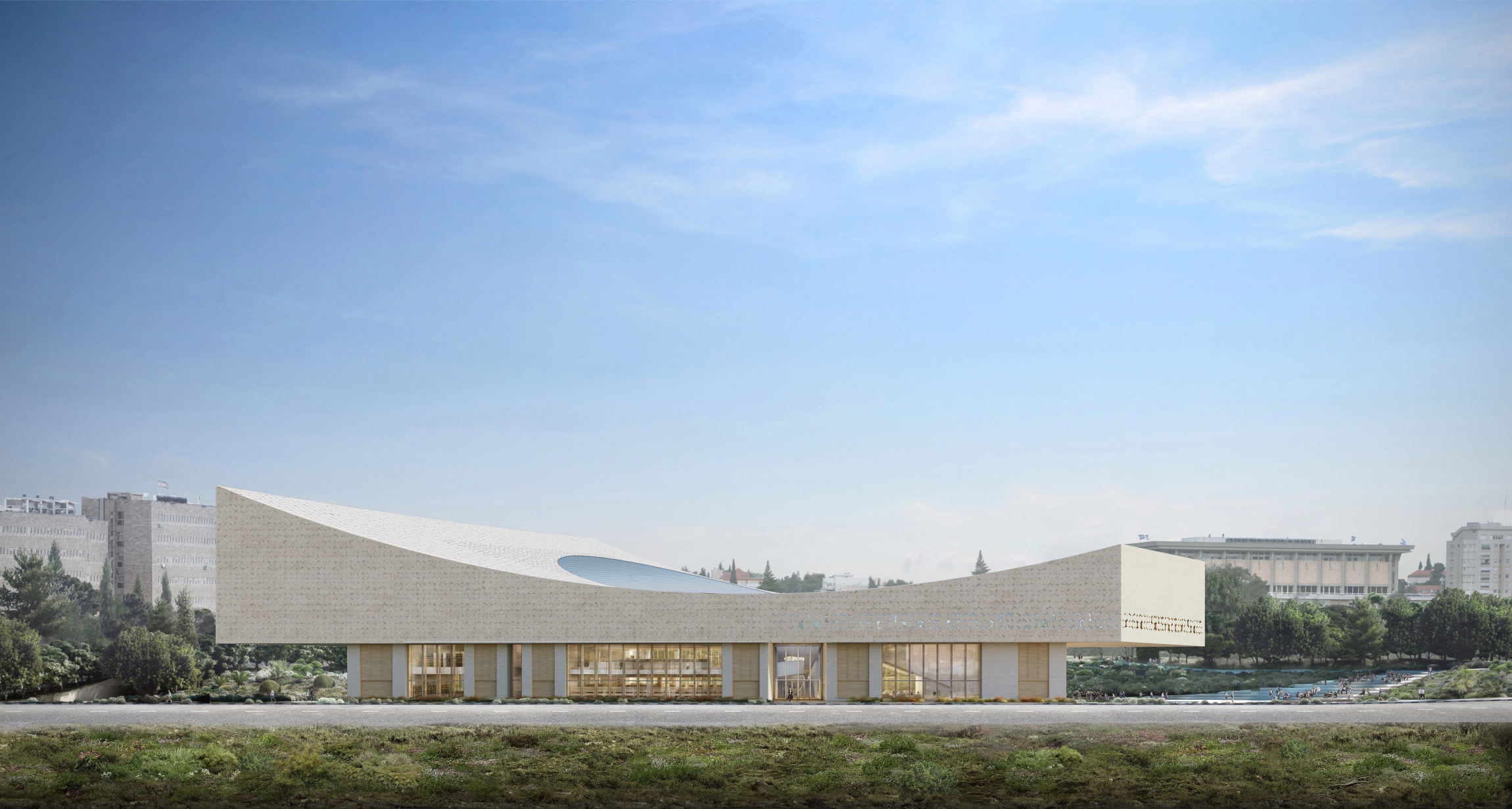
Jerusalem, Israel


Project
Project
Skolkovo, Russia


Project
Project
Oxford, UK

Project
Project
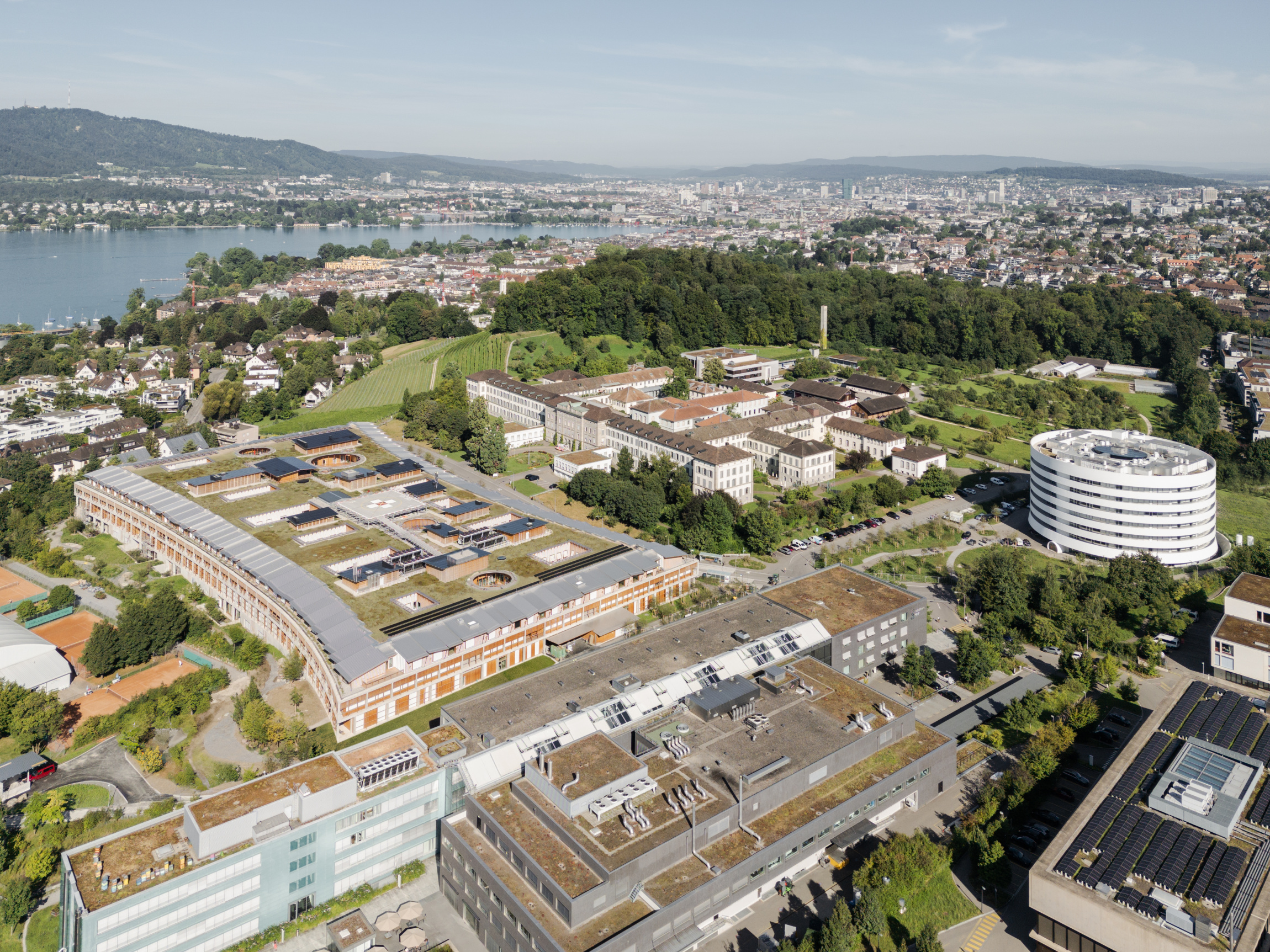
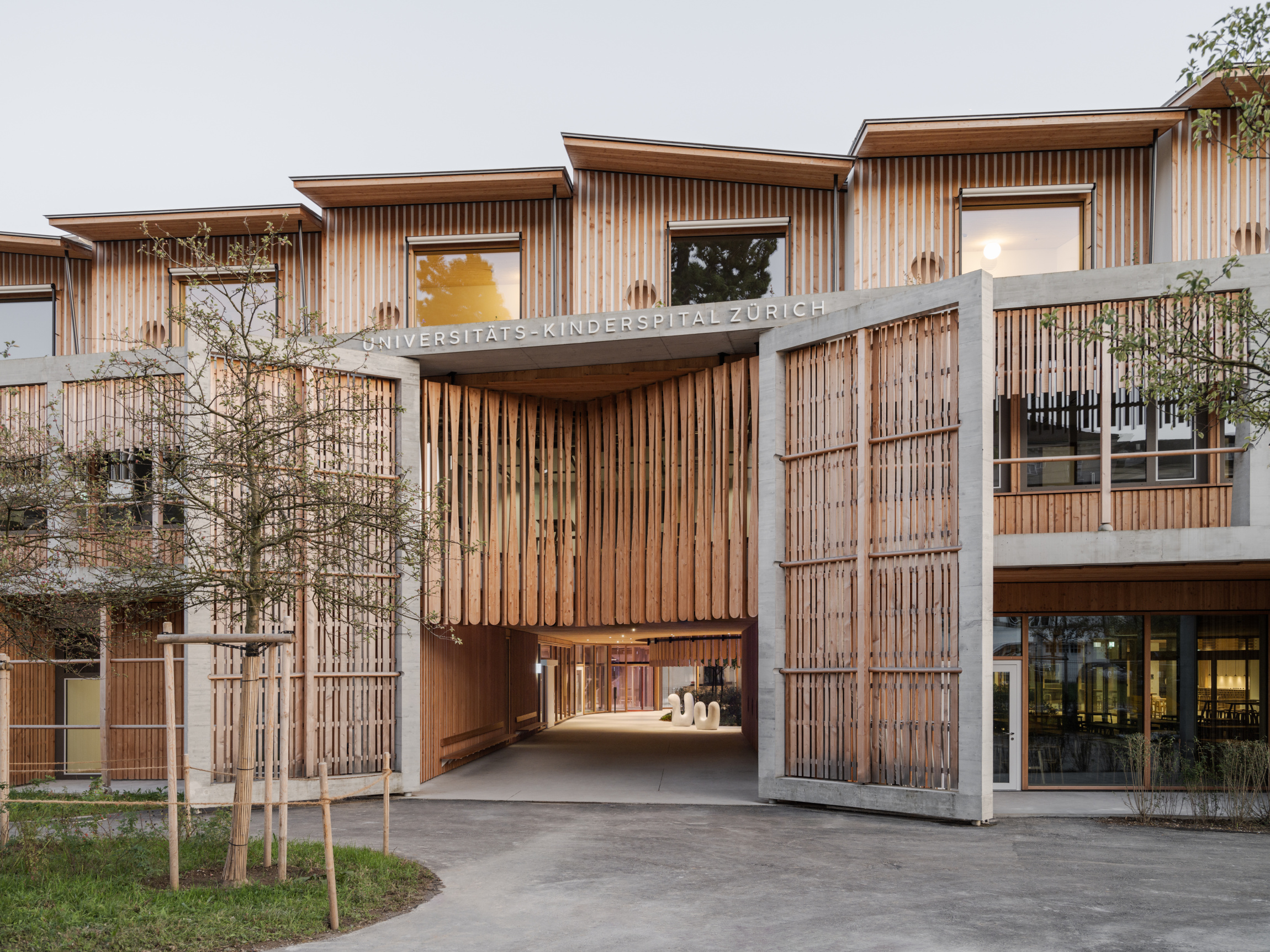
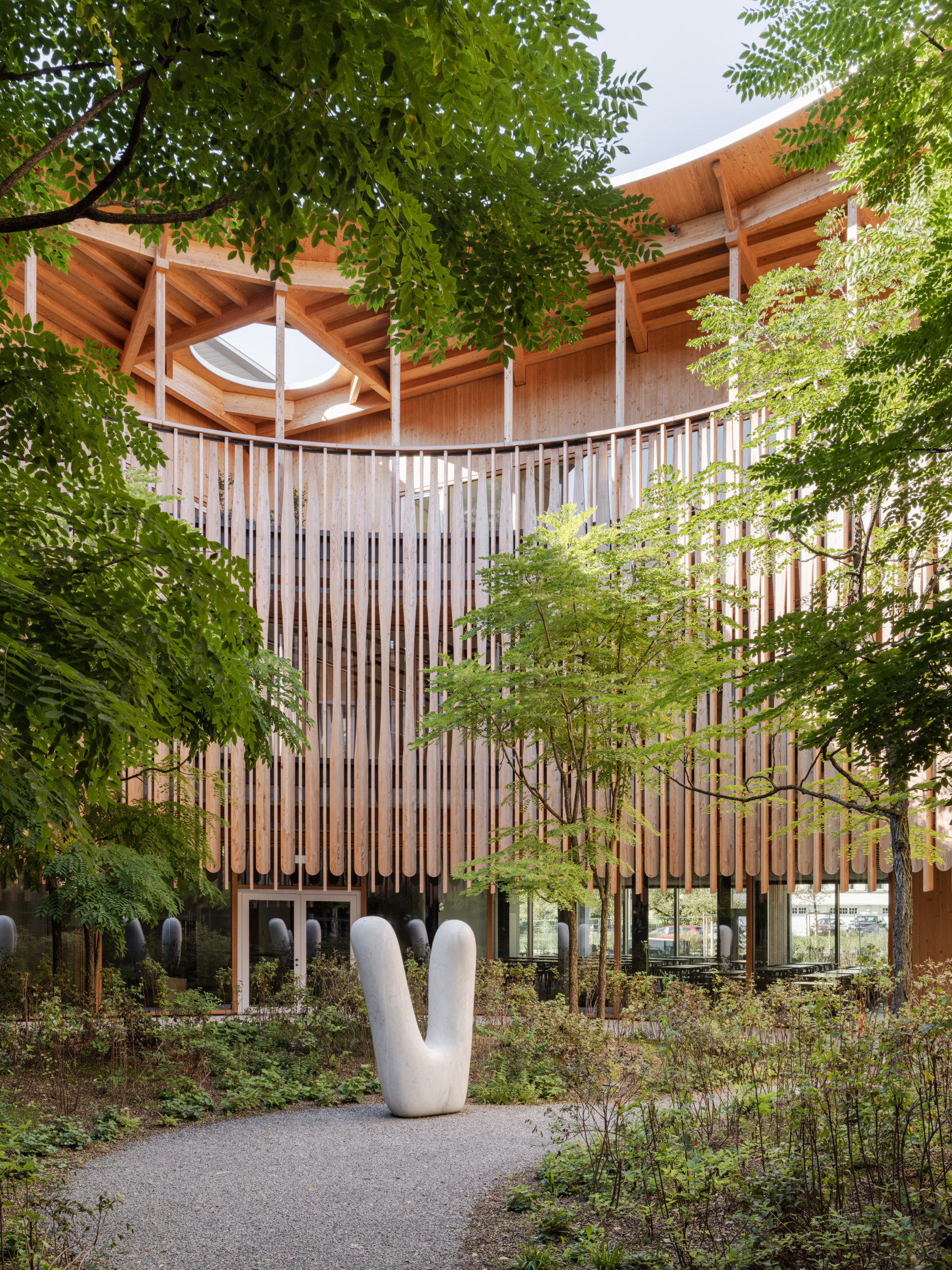
Zurich, Switzerland


Project
Project
Shantou, China


Project
Project
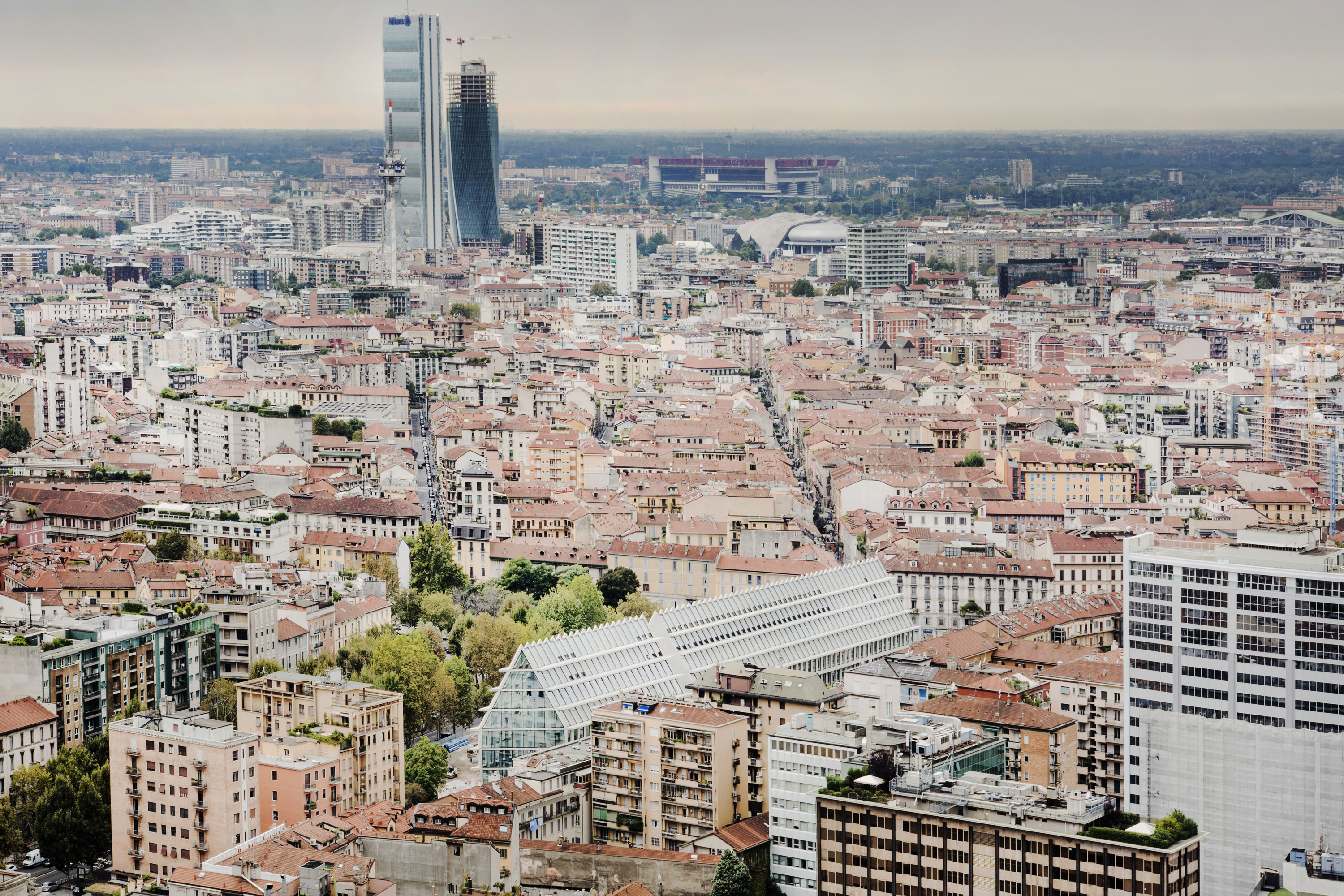
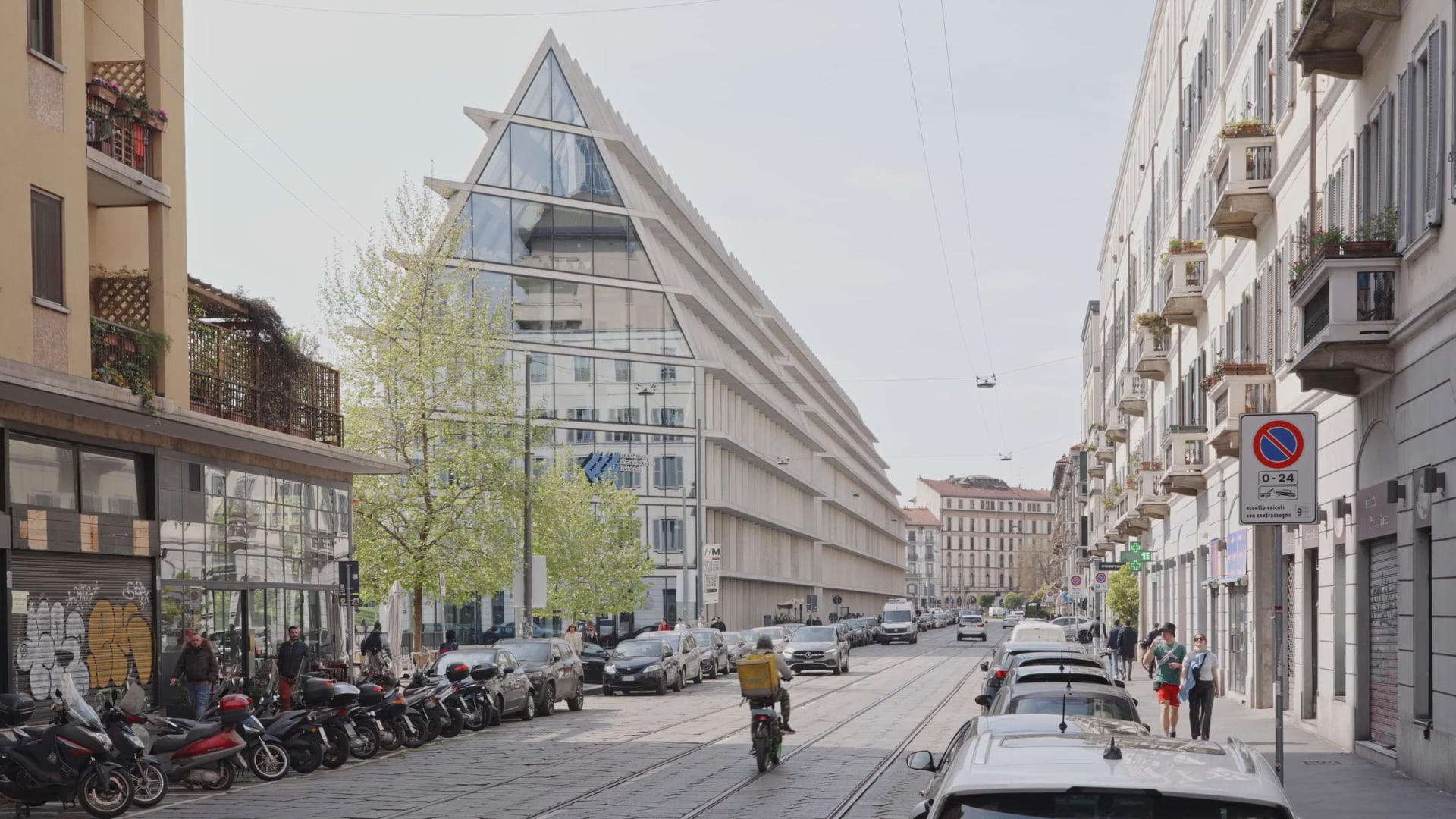
Milan, Italy

Project
Project
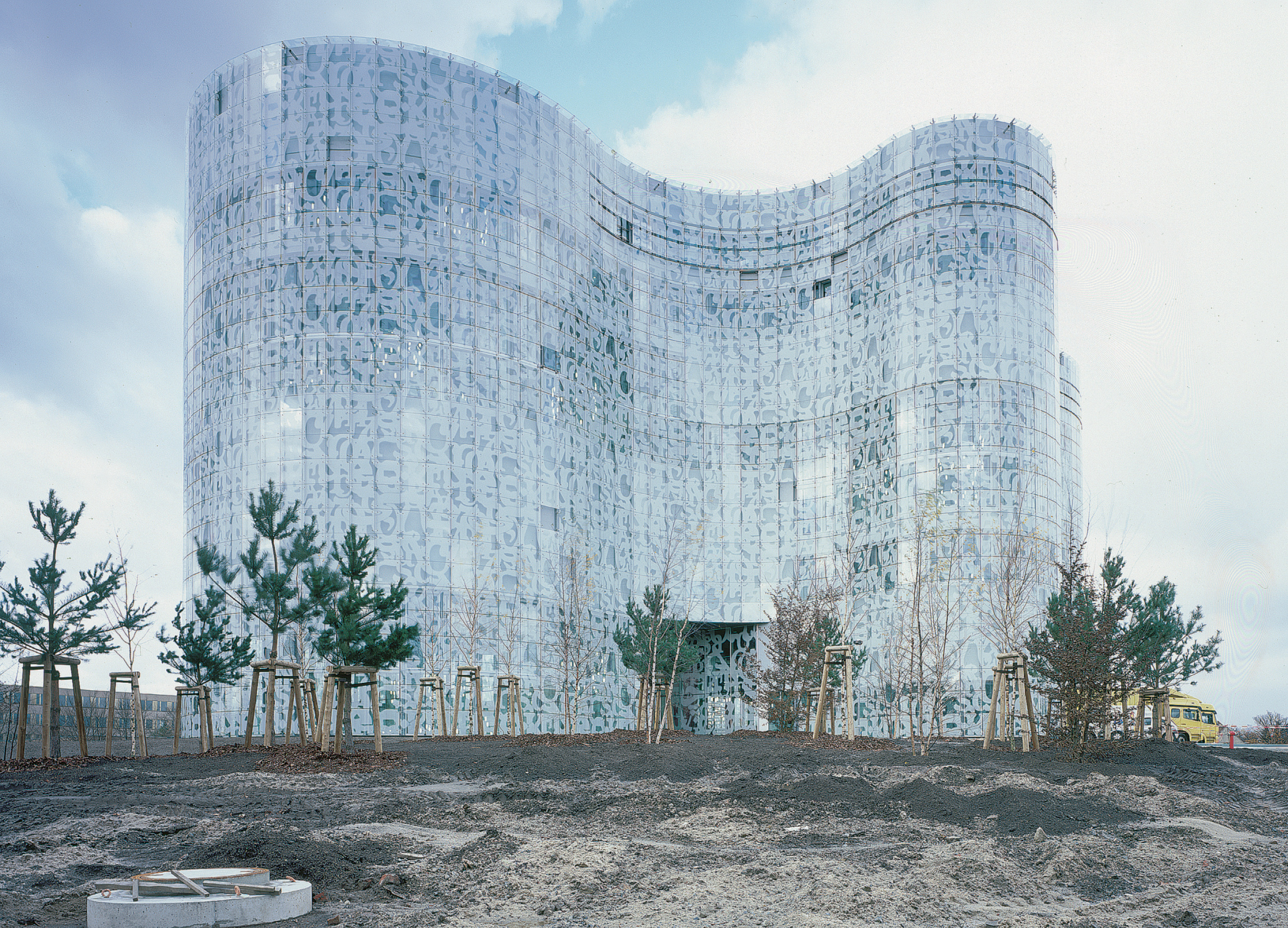
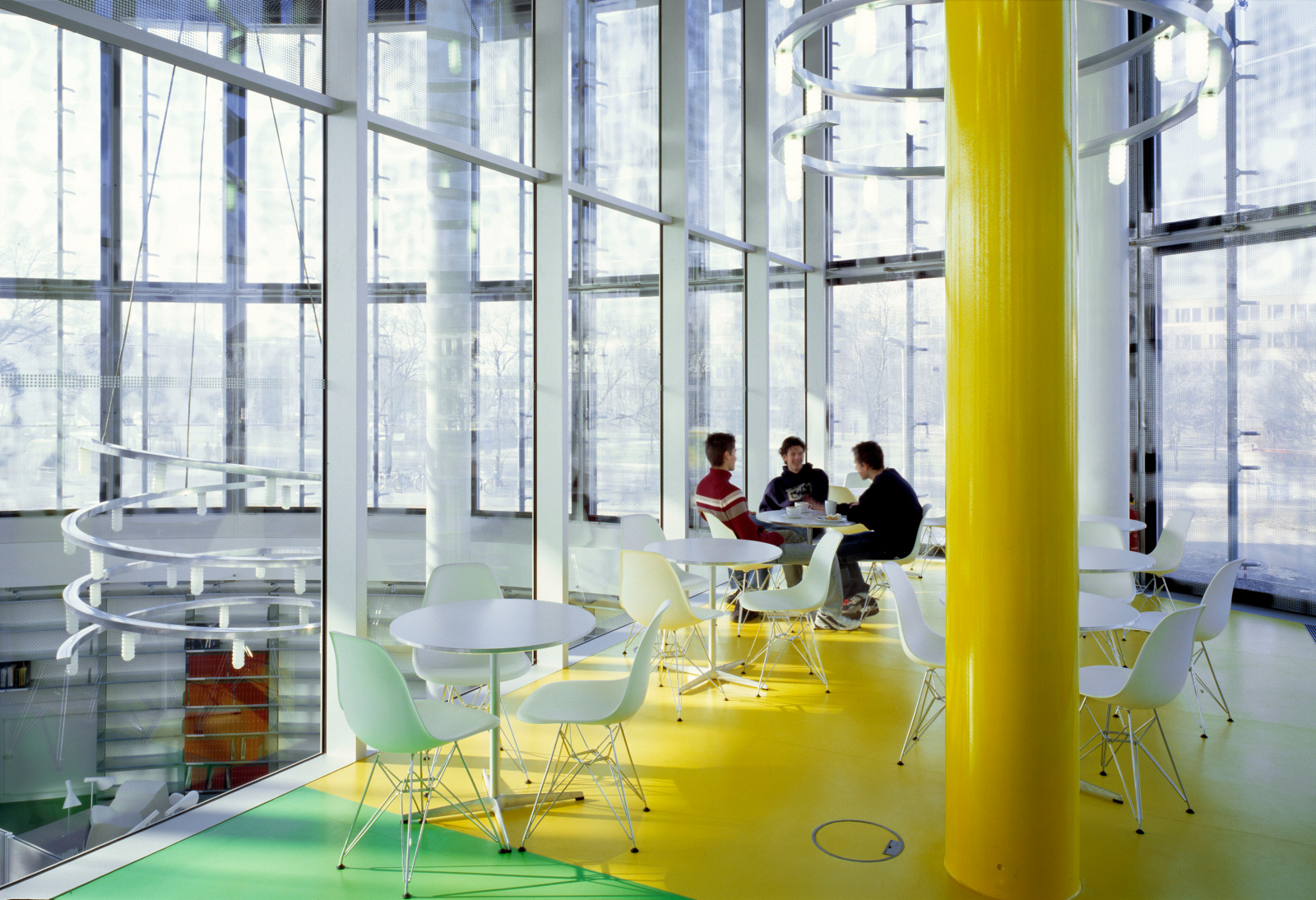
Cottbus, Germany
Project
Project
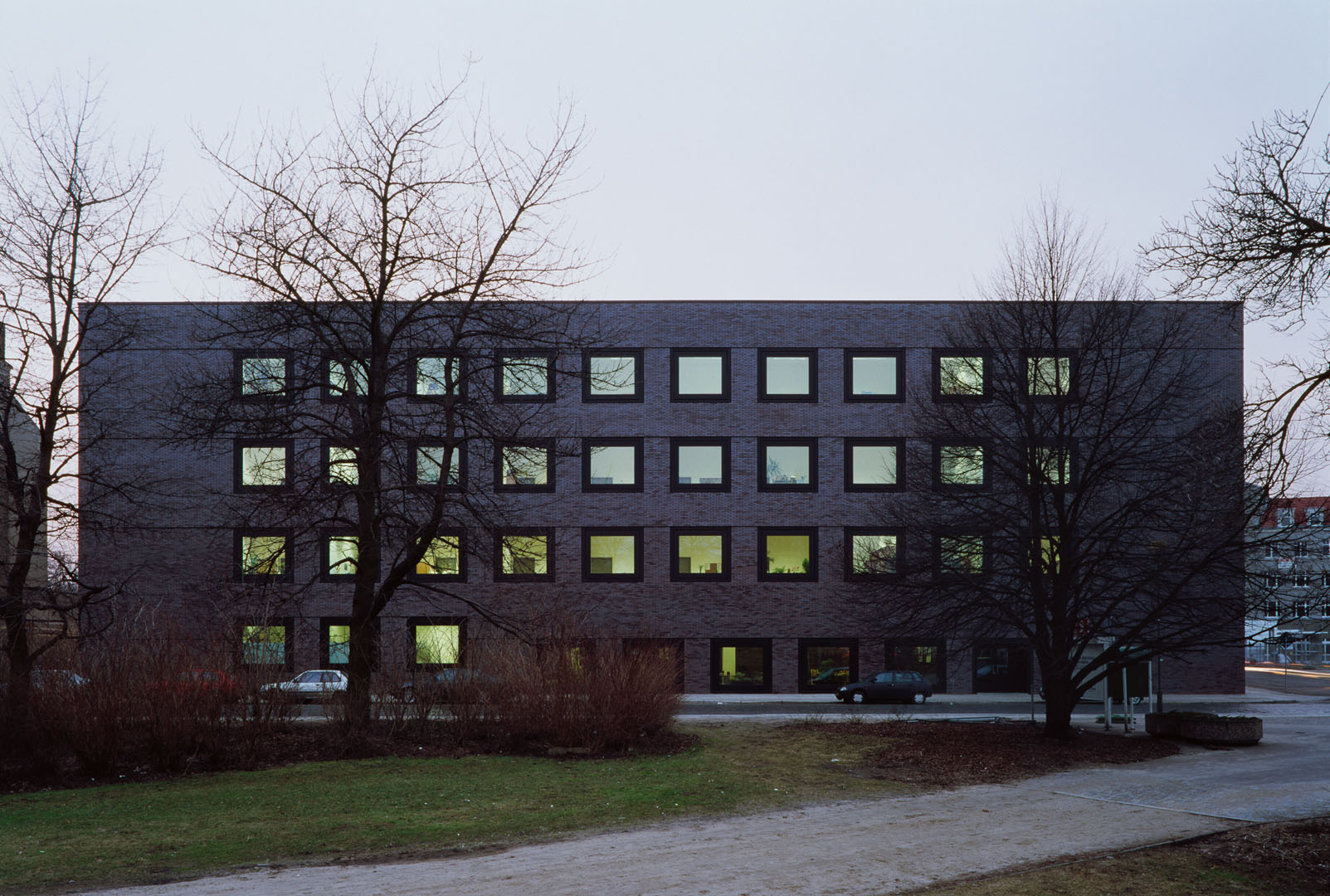
Eberswalde, Germany

Project
Project
Eberswalde, Germany
Project
Project
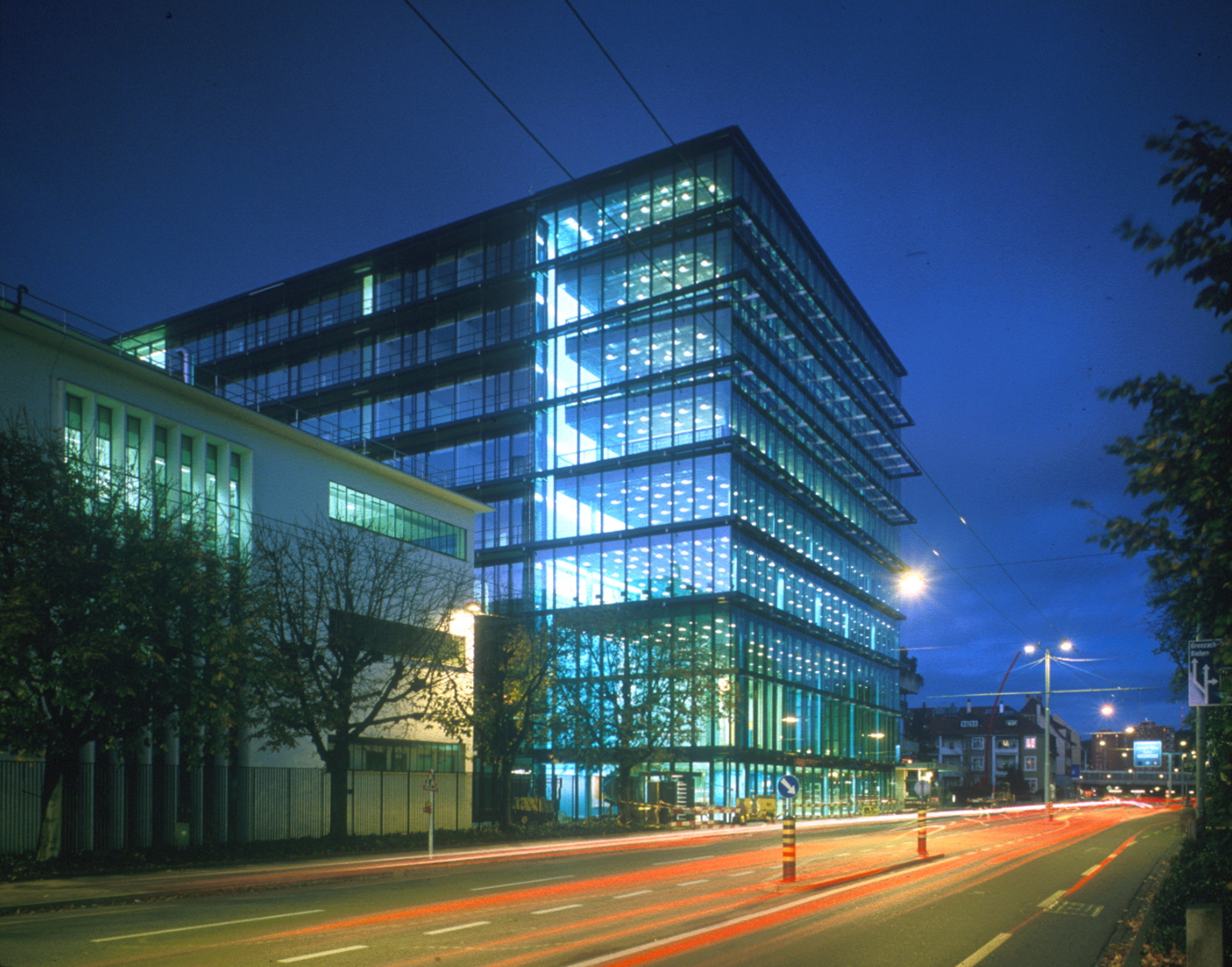
Roche Basel Site, Basel, Switzerland

