Herzog & de Meuron Basel Ltd.
Rheinschanze 6
4056 Basel, Switzerland
Email: info@herzogdemeuron.com
Phone: +41 61 385 5757
Philadelphia, Pennsylvania, USA
The site is along Benjamin Franklin Parkway, an important axis that runs across Philadelphia between the Museum of Art and the Swan Memorial Fountain. This axis has public sculptures by two generations of the Calder family—with works by both Calder’s father and grandfather. The site’s triangular shape is a leftover from 1990s planning for the Vine Street Expressway.
Rather than emphasizing forms and colors as in his artwork, we studied how his pieces occupied their environments—Calder’s studios and homes—and incorporated these spatial qualities into the design.
The overall design was developed by Jacques Herzog through a process of exchanging sketches, emails, and text messages with the project team to test gestural ideas. This is now shared in the book “Calder Gardens” by Hauser & Wirth Publishers.
Many concepts were explored, including a vertical stack of studios or exhibition spaces with connecting ramps.
The project evolved into a more horizontal, nonlinear layout—a sequence of unexpected spaces that unfold and reveal themselves as visitors move through the building rather than a singular form.
On the other side, the Wall is expressed as a simple barn-like structure facing Vine St., referencing traditional American architecture.
The Disc defines the entry point, creating a gathering space for visitors and an outdoor location for Calder’s art. Pathways from the northeast and northwest corners of the site draw visitors through the garden towards a single central opening in the Wall where a folded metal canopy covers a wood-lined entry area.
The lobby is domestic in scale—different than the typical large-scale spaces that define most museum entryways.
From the lobby, visitors descend to the galleries below. A large stair brings people down to the Highway Gallery, doubling as a small auditorium for gathering.
A linear window frames a view of the highway and city. From the Highway Gallery, visitors can look into the Tall Gallery below. A beam separates the Tall Gallery from the space below the Disc—the narrow slot above the beam offers a glimpse into the gallery beyond.
From the Highway Gallery, visitors descend through the Cuboid Stair lined with dark, rough concrete. A nook on the stair landing can be used to display artwork.
From the stair, visitors pass through the Tall Gallery and encounter the daylit Open Plan Gallery. The geometry of the Open Plan Gallery is orthogonal on the east and west and curved towards the north, reflecting the Disc above.
The Apse Gallery is created from two offset curved walls—this gallery has no visible corners to distract from the view of the artwork inside.
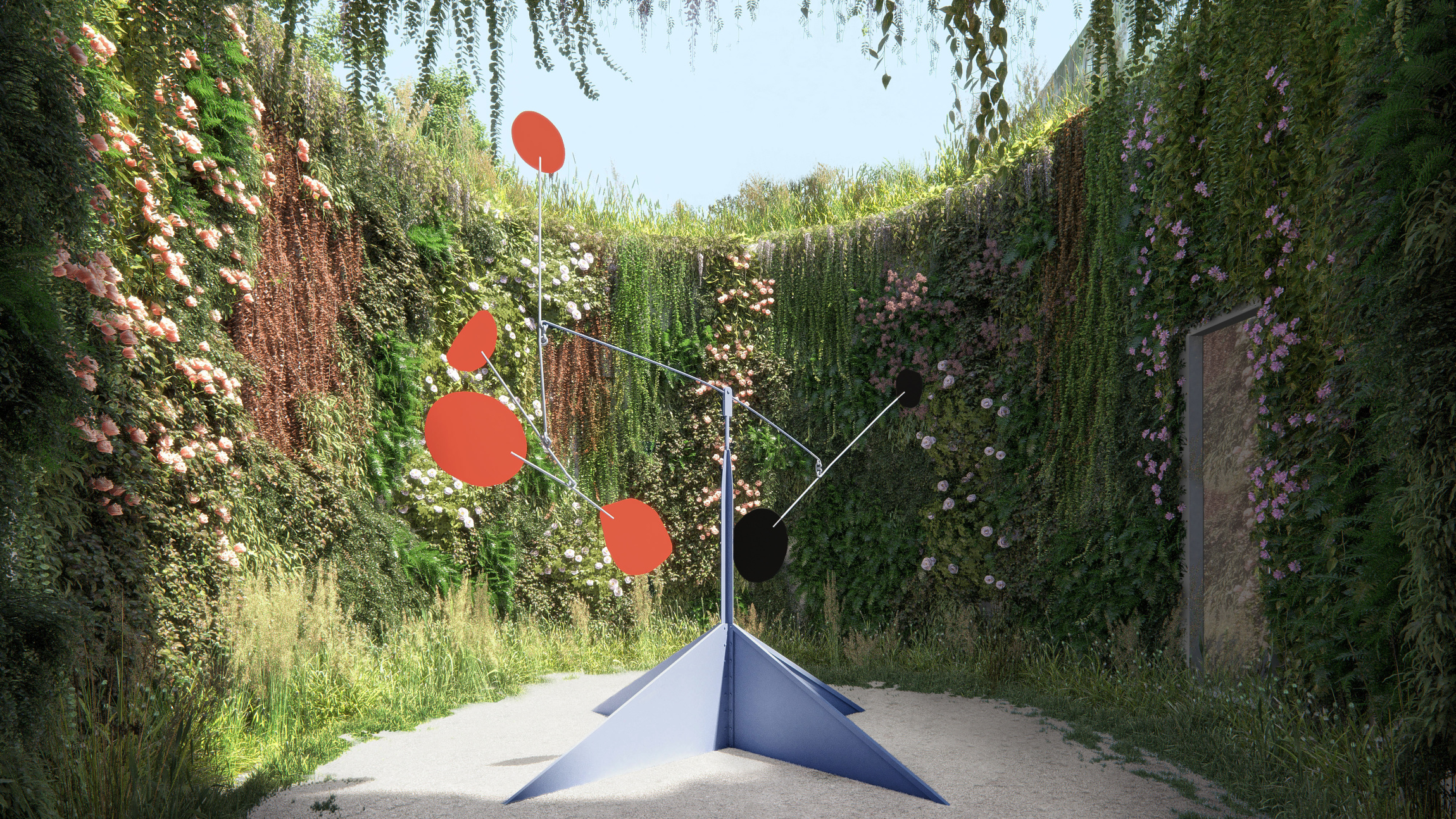
From the Open Plan Gallery, a narrow slot reveals the Sunken Garden and the entry to the Curved Gallery. The Sunken Garden is surrounded by a densely planted wall; a single stabile will be placed against it, offering yet another distinct background to experience Calder’s work. The Sunken Garden’s wall forms the geometry of the Curved Gallery, providing a fully internalized space with maximum control over light conditions for displaying sensitive works.
The Open Plan Gallery has a view into the Vestige Garden. The Vestige Garden takes cues from the city’s pre-existing urban plan before the parkway’s development. The garden’s walls feature “scratched concrete,” created by hammering the wet concrete in a process used in the Schaulager in Basel.
A Quasi Gallery provides a cave-like, covered outdoor space that mediates between the highly controlled gallery spaces on the interior and the exposed garden spaces outside.
To determine optimal artwork placement, we made a detailed working model for the Calder Foundation, allowing them to experiment with various configurations and sightlines throughout the complex spatial sequence before installation.
On November 15th, 2022, local Philadelphia officials, press and members of our design team gathered on the 1.8-acre Calder Gardens site for its ceremonial groundbreaking.

News
Project Update
15 September 2025
News
Project Update
14 December 2022
News
Project Update
15 November 2022
News
Project Update
7 September 2022

Monograph
Monograph
Topic
Topic
Project
Project
Munich, Germany
Project
Project
Mulhouse, France


Project
Project
Oakville, Napa Valley, California, USA

Project
Project
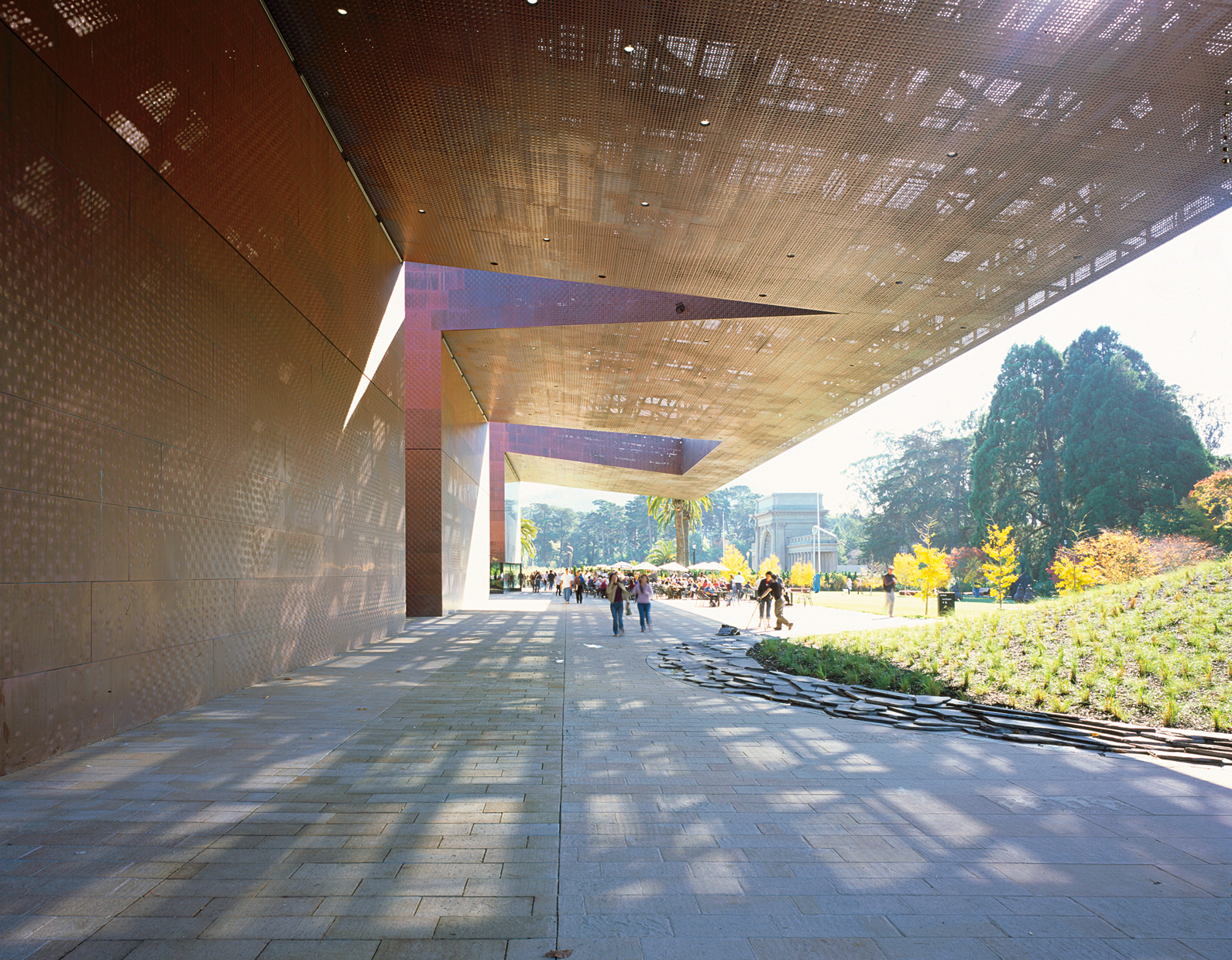
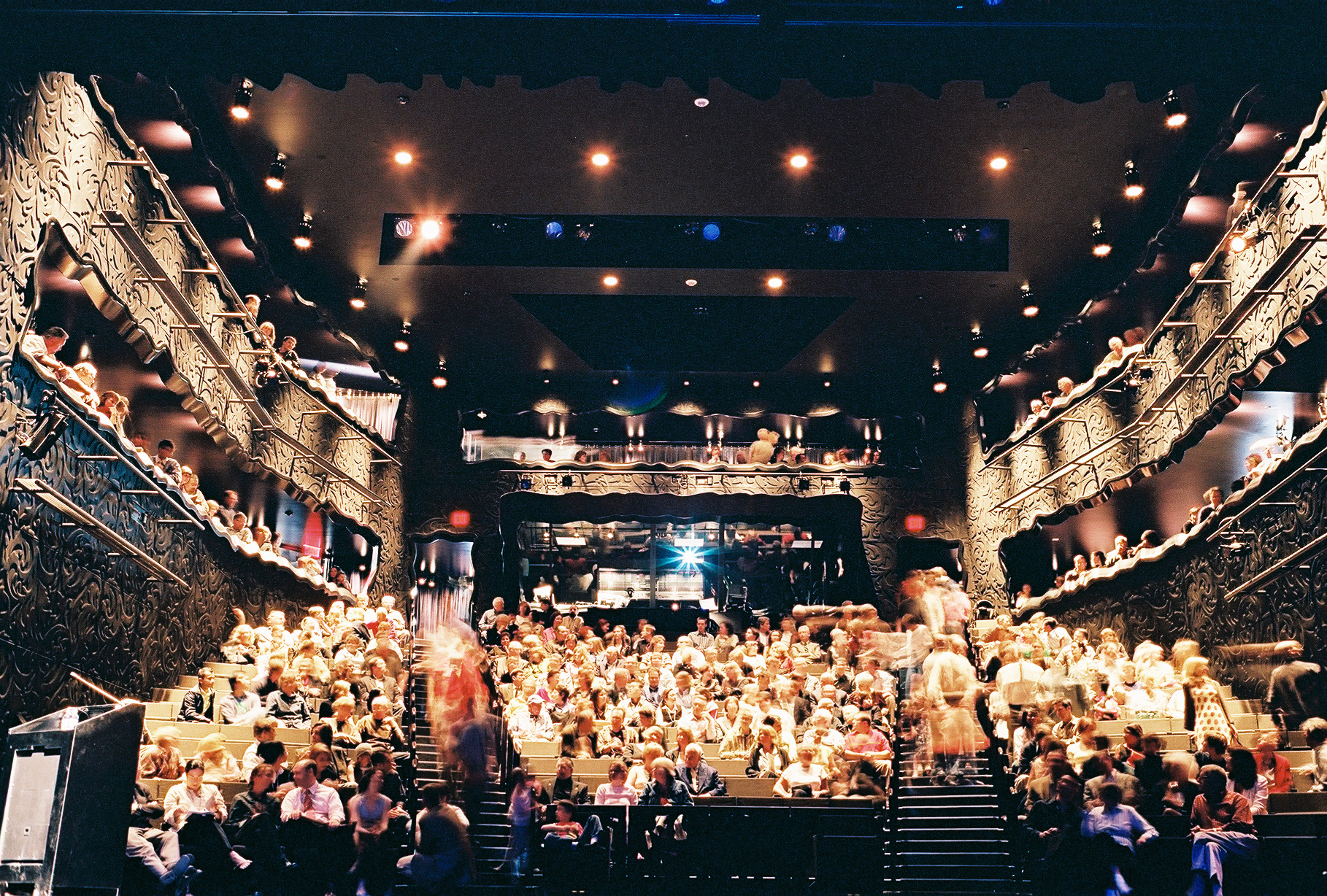
Golden Gate Park, San Francisco, California, USA

Project
Project
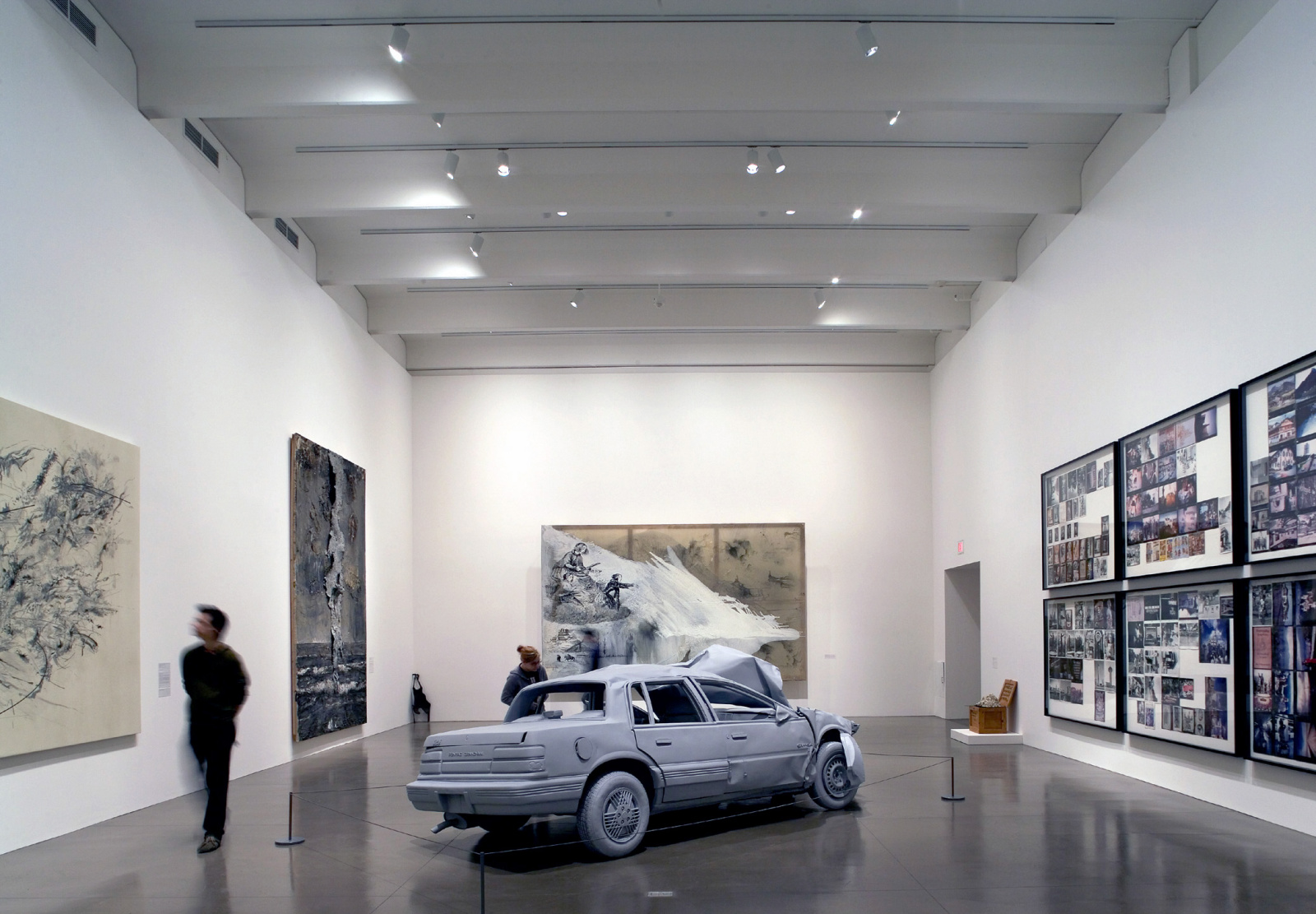
Minneapolis, Minnesota, USA


Project
Project
Zaragoza, Spain


Project
Project
Water Mill, New York, USA


Project
Project
Kensington Gardens, London, UK

Project
Project
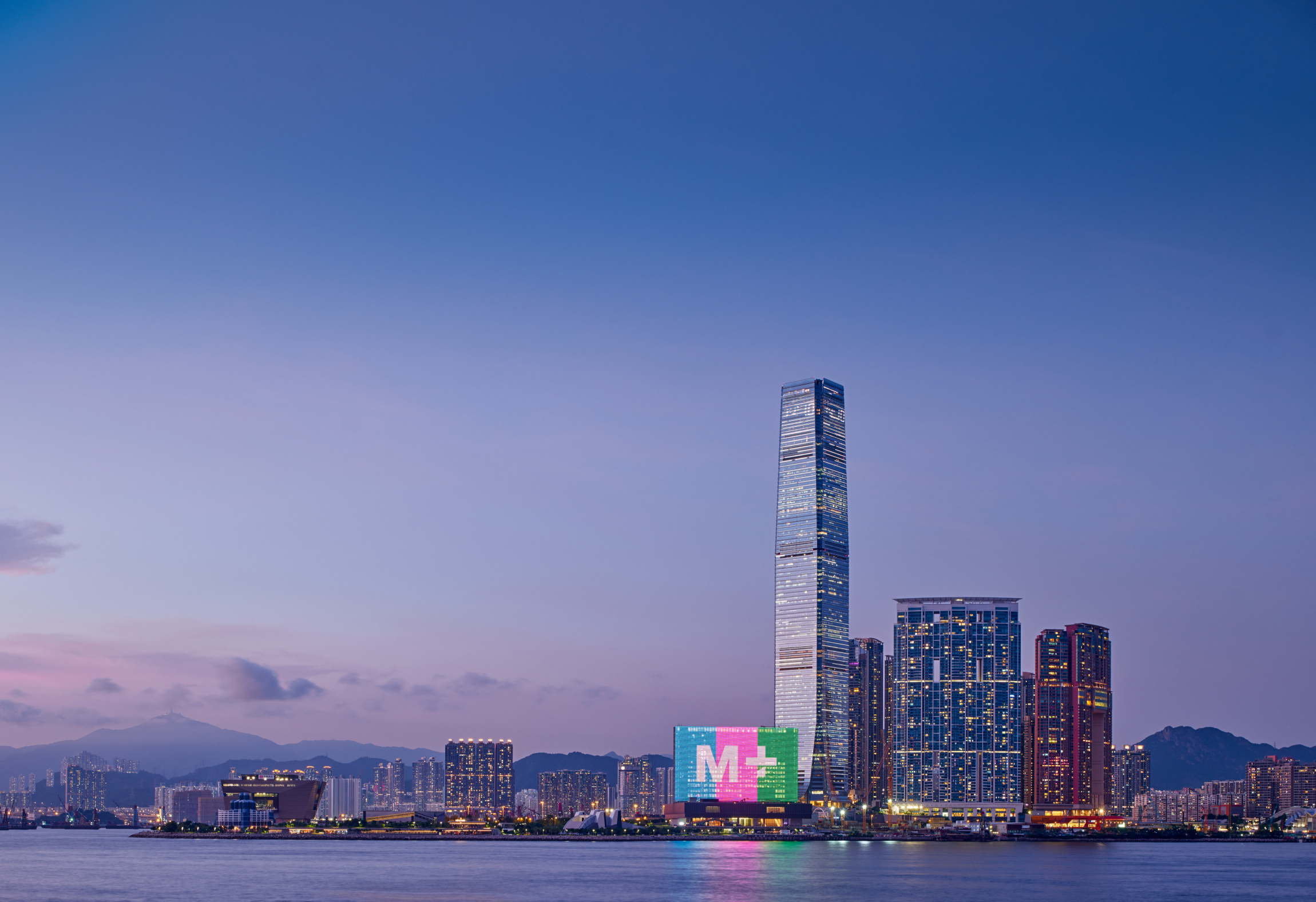
Hong Kong


Project
Project
Memphis, Tennessee, USA